
Targeted & Entrapped: Understanding the Quicksand Model® of Coercive Control
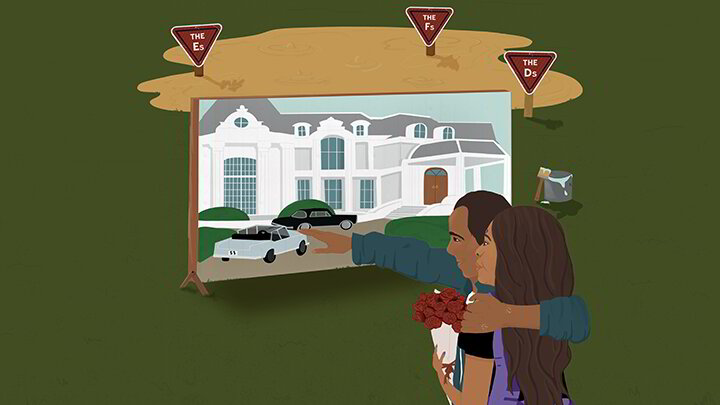
Introduction to The Quicksand Model of Coercive Control The Quicksand Model of Coercive Control, developed by (me) Kate Amber and utilized by End Coercive Control USA, is a survivor-centered, trauma-informed framework that explains the layered tactics and strategies coercive controllers use to entrap and dominate their targeted victims. This model categorizes coercive control tactics and strategies into the D’s, E’s, F’s, and I’s, offering a detailed understanding of how coercive control operates on psychological, biological, and social levels. It is a bio-psycho-social framework that takes a holistic and systems-based approach to explaining abuse, violence and oppression. By exploring these categories, we can better understand the mechanisms of coercive control and learn to dismantle the systems that enable coercive controllers and harm targeted victims. The D’s: The
Double Speak – Coercive Controller’s Weaponization of Language
Double Speak – Coercive Controller’s Weaponization of Language: An Analysis of JD Vance’s Tweet Using The Quicksand Model® of Coercive Control In the complex landscape of political discourse, language often serves as a powerful tool for shaping perceptions and influencing public opinion. The recent tweet by J.D. Vance, U.S. Vice President, provides a compelling case study for examining the weaponization of language through the lens of The Quicksand Model® of Coercive Control. This blog post will analyze Vance’s statement using the concept of Double Speak, a key component of The Quicksand Model®, to uncover the subtle yet potent coercively controlling tactics employed in political rhetoric. The Tweet in Question J.D. Vance, a rising figure in conservative politics, posted the following statement on X (formerly Twitter) on February 9, 2025:

Defying Gravity
An Analysis of “Wicked” Through The Quicksand Model® of Coercive Control and Institutional Betrayal “Wicked,” the renowned Broadway musical reimagining of “The Wizard of Oz,” offers a compelling narrative for exploring the intricate dynamics of power, manipulation, and coercive control within both personal relationships and institutional contexts. By employing a multifaceted approach that combines my Quicksand Model® of Coercive Control, Evan Stark’s framework of coercive control, Steven Hassan’s BITE Model, and Harsey & Freyd’s theory of institutional betrayal, we can uncover profound insights into the characters’ motivations and actions, and learn potentially effective ways for addressing coercive control in our own families, groups, businesses and communities. This analysis will demonstrate how Elphaba’s journey in “Wicked” mirrors the insidious progression from being ensnared, entrapped, and exploited by systemic coercive control, before culminating in her acts of
The Hidden Epidemic: Coercive Control, Parental Alienation, and Institutional Abuse in Family Courts
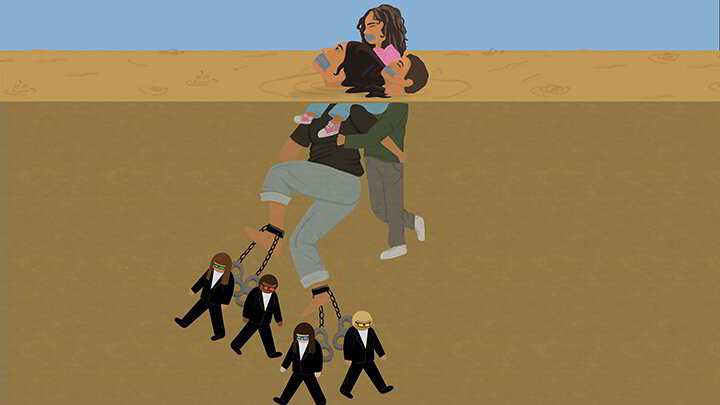
As we approach the end of 2024, it’s crucial to shed light on the pervasive issues plaguing our family court systems and the devastating impact they have on protective parents, mostly mothers, and their children. Today, I want to delve into the interconnected web of coercive control, parental alienation, reunification camps, and institutional abuse within family courts. These issues are not just theoretical concepts but real-life nightmares for countless families worldwide. The Insidious Nature of Coercive Control Coercive control is a pattern of behavior that seeks to strip away the victim’s sense of self, their autonomy, and their ability to make decisions for themselves and their children. One form of coercive control is domestic abuse which goes beyond physical violence, encompassing psychological, emotional, and financial manipulation, among other types of coercion and
Debunking the Myth of Mutual Abuse: A Closer Look at Coercive Control and The Quicksand Model®
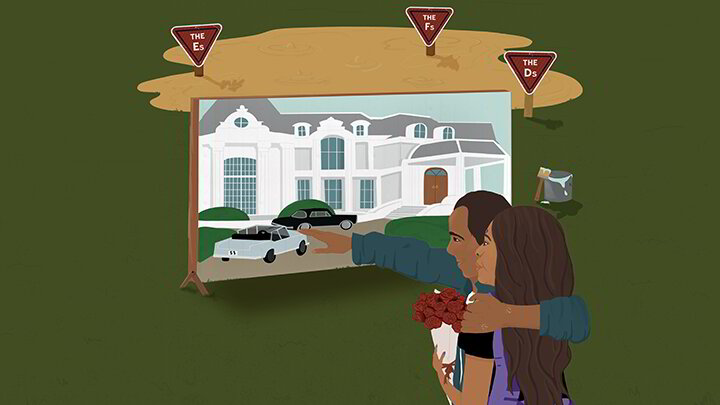
Debunking the Myth of Mutual Abuse In the complex world of interpersonal relationships, one unfounded myth continues to persist – the myth of mutual abuse. This notion, which proposes that both parties in a relationship engage in consistent, reciprocal abuse, is not only ill-defined but can also be dangerously misleading. Let’s delve into the reasons why this is a dangerous misconception and explore a more effective framework for understanding abusive dynamics: coercive control, utilizing The Quicksand Model®. The Myth of Mutual Abuse The myth of mutual abuse is often born out of misunderstandings about the nature of abusive and coercively controlling relationships. It suggests that both individuals involved are equally to blame for the violence or mistreatment, which can mask the power imbalances that frequently characterize abusive situations.
The weapons of Coercive Control
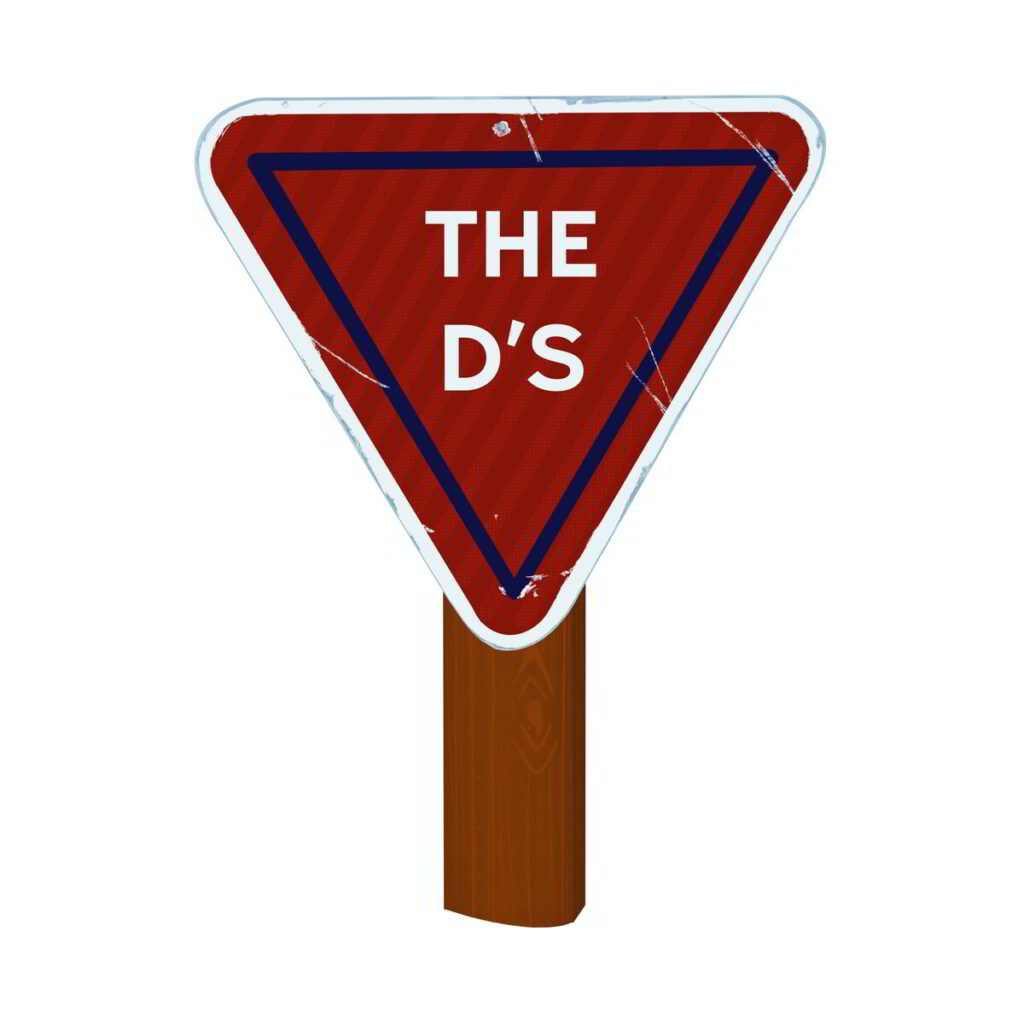
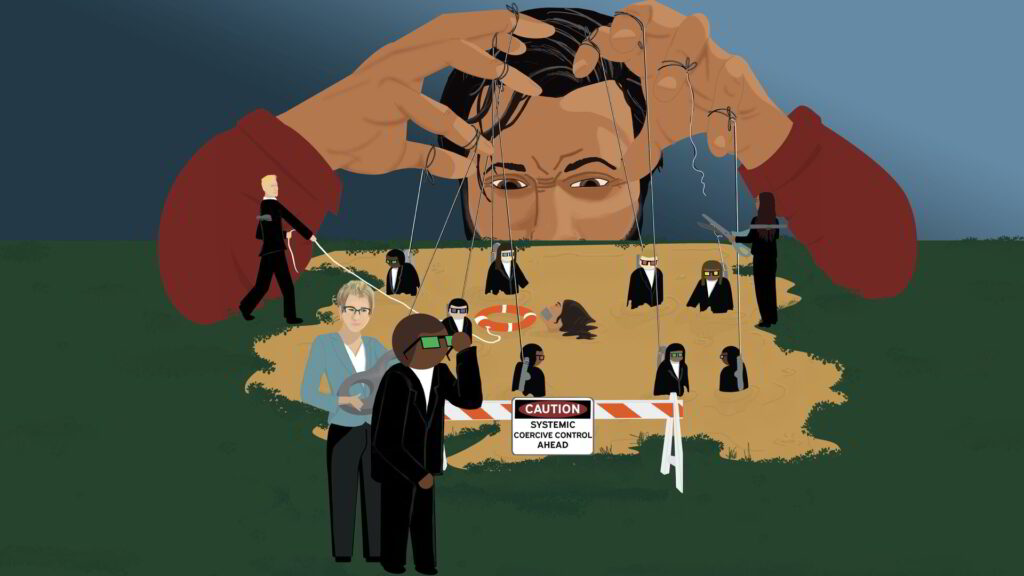
The Quicksand Model® of Coercive Control serves as a vital framework for training programs aimed at educating individuals and organizations on how to recognize, intervene in, and prevent coercive control. These programs are tailored to support families, businesses, non-profits, communities, and various organizations in dismantling harmful patterns of coercive control. The ultimate goal is to replace these negative dynamics with policies and practices that uphold human dignity, autonomy, safety, and freedom. The D’s: An Arsenal of Coercive Control Tactics In the Quicksand Model®, the tactics of coercive control are encapsulated in what I affectionately call The D’s, which include Double Standards, Double Binds, Double Speak, Double Down, Double Cross, Double Team, Double Vision, and DARVO. Each of these tactics can be viewed as a weapon in
Understanding The Quicksand Model® of Coercive Control
The Quicksand Model® of Coercive Control is a groundbreaking training program designed to make the often invisible tactics of coercive control visible and understandable. This model synthesizes 70 years of research and theory across various fields, including domestic abuse, human trafficking, cults, extremism, and trauma, to provide professionals with the tools needed to detect, intervene in, and prevent coercive control. Key Aspects of the Quicksand Model 1. Evidence-Based Synthesis The Quicksand Model® is an evidence-based model that integrates research from multiple disciplines, including neuroscience, psychology, sociology, and human rights. This comprehensive approach ensures that the model addresses the complex and multifaceted nature of coercive control. 2. Training for Professionals The model is designed to quickly train professionals to recognize and address coercive control, which is often
Could criminalizing coercive control further harm female victims?
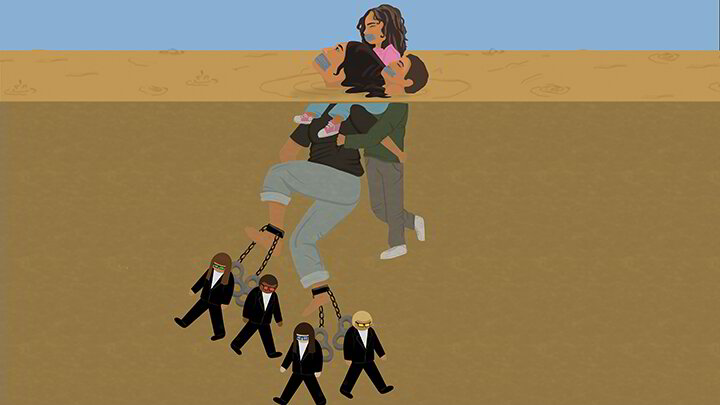
In response to the question “Could criminalizing coercive control further harm female victims?” the concise answer is a resounding yes. This concern is frequently voiced by global domestic violence organizations when survivors seek legislative changes to outlaw coercive control. While this apprehension is valid, it’s worth noting that from the 1970s onwards, as domestic violence laws began to take shape across the United States, we’ve often witnessed the unintended fallout of laws designed to safeguard victims. Various regulations, such as mandatory reporting and mandatory arrest laws, protective order procedures, supervised visitation and child support policies, among others, have been manipulated by coercive controllers. This manipulation allows them to inflict additional harm on their intended victims. This misuse extends to various other legal frameworks, policies, and procedural norms as well. In my view, the potential